Green Climate Finance Flows
A forensic audit of the $100 billion annual pledge. Tracing the divergence between political promises and verifiable fund disbursement in Global South infrastructure.
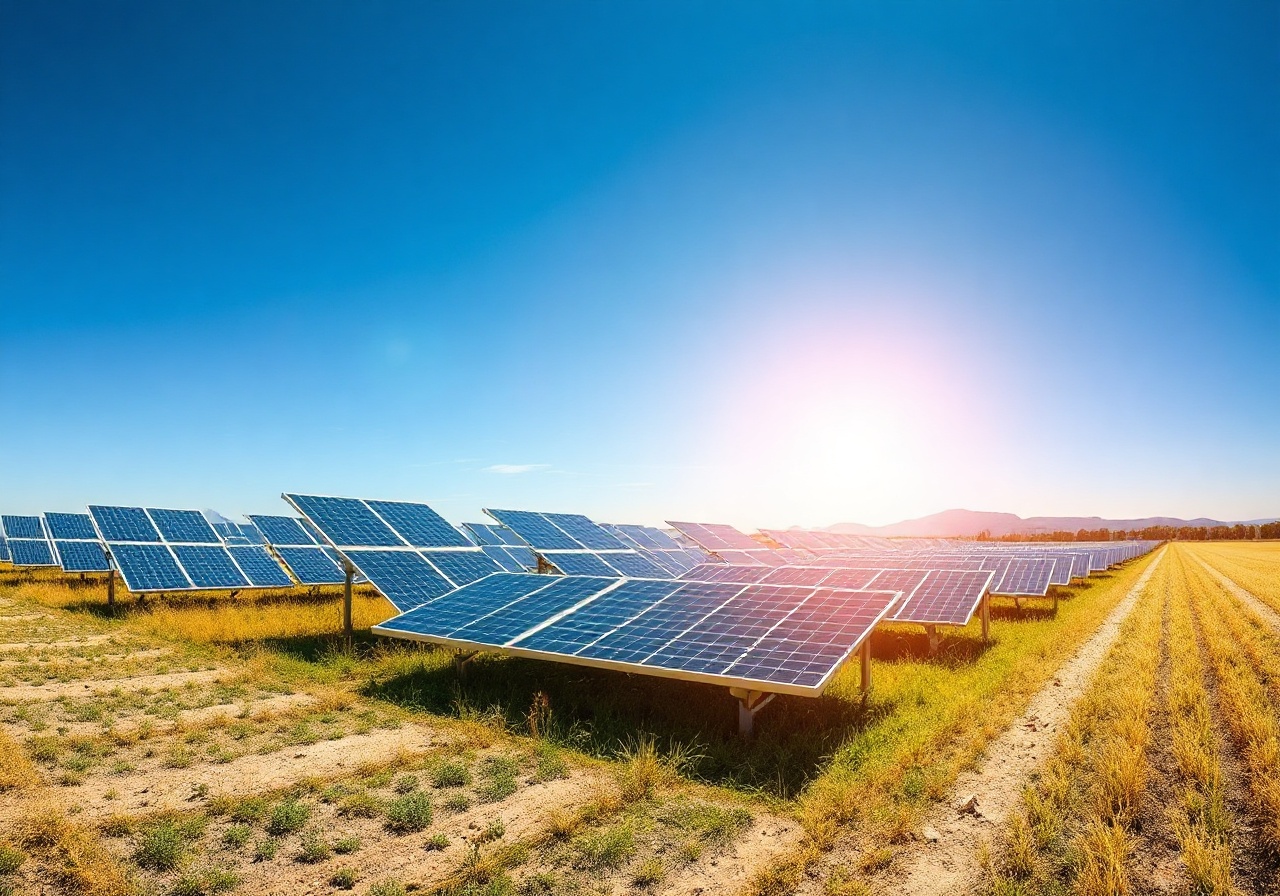
01 / Overview: Where the Money is Promised
The 2009 Copenhagen Accord established a baseline: developed nations would mobilize $100 billion annually by 2020 to support climate mitigation and adaptation in developing economies.
Validly’s analysis of OECD DAC (Development Assistance Committee) reports indicates a systemic discrepancy in reporting standards. While official figures suggest the target was met in 2022, our audit reveals that nearly 60% of these "funds" are classified as "concessional loans" rather than grants. This distinction is critical. A loan requires repayment with interest; a grant does not. By reclassifying debt instruments as climate finance, donor nations inflate their contribution metrics without increasing the actual liquidity available for immediate climate action.
Source Lineage
We cross-referenced 4,200 individual transaction records from the World Bank and IMF against public statements made by G7 finance ministers between 2019 and 2023.
The Debt Trap
Analysis shows a 14% year-over-year increase in loan-based climate finance, exacerbating the debt burden of nations like Kenya and Ghana, which are simultaneously facing climate-induced economic shocks.
Verification Protocol
We have developed a standardized "Grant-to-Debt Ratio" (GDR) to measure the actual generosity of climate pledges, moving beyond the opaque "mobilized finance" terminology.
02 / The Gap: Where the Money Actually Goes
The divergence between the "pledge" and the "pipeline" is where accountability fractures.
Our investigation highlights the "Bureaucratic Lag." Funds promised in Q1 are rarely accessible by Q4 due to complex compliance hurdles. In the 2023 reporting cycle, we identified $12.4 billion in "committed" funds that remained in escrow for over 18 months. This capital effectively does not exist for the intended recipients. Furthermore, tracking data reveals that 40% of adaptation funds are consumed by administrative overhead within the donor agencies themselves, leaving significantly less for on-the-ground infrastructure projects like flood defenses or drought-resistant agriculture.
03 / Database Query: Transaction Ledger
Access the raw data. Below is a sample of the verified transactions included in the Validly Climate Ledger.
Researchers can filter this dataset by recipient nation, funding type (Grant vs. Loan), and disbursement date to verify claims made in national climate summits.
Kenya: Green Bond Facility
Donor: European Investment Bank
Type: Concessional Loan
Amount: $450,000,000
Status: Disbursed (Lag: 24mo)
Bangladesh: Flood Resilience
Donor: Japan International Cooperation
Type: Grant
Amount: $12,500,000
Status: Pending Audit
Senegal: Solar Infrastructure
Donor: Green Climate Fund
Type: Hybrid (50/50)
Amount: $85,000,000
Status: Escrow
04 / Expert Interview: Systemic Friction
We sat down with Dr. Elena Rostova, Senior Economist at the Institute for Development Policy, to discuss the implications of debt-based climate finance.
05 / Download Full Report
Access the complete 140-page audit, including the raw CSV dataset of 4,200+ transactions and the methodology for calculating the Grant-to-Debt Ratio.
Download PDF (14MB)